

The Data Problem No One Wants to Admit
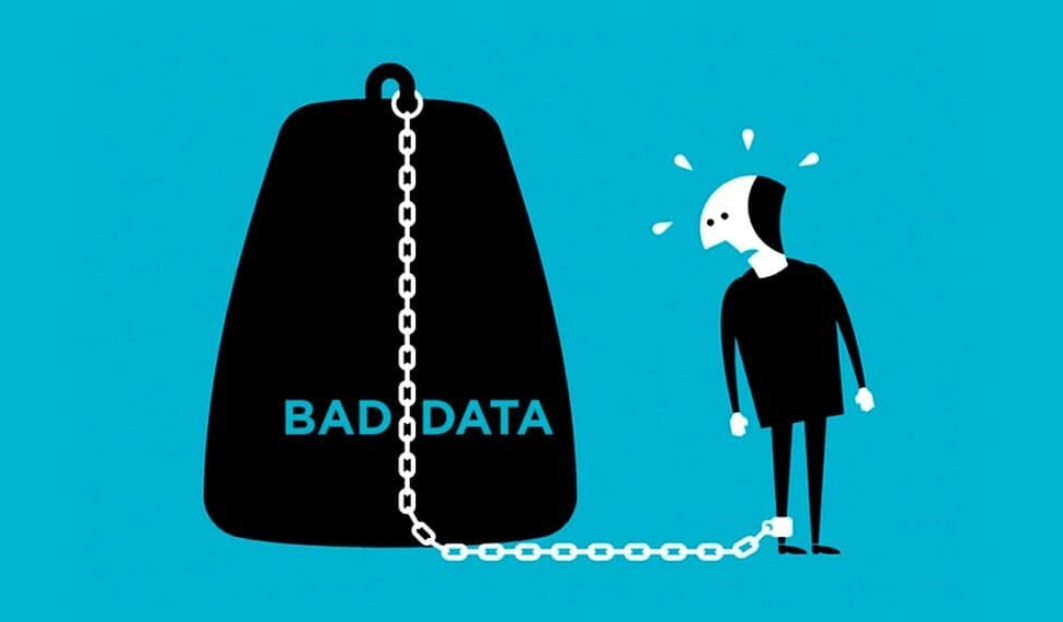
Why your numbers look right—but your decisions still aren’t
Finance leaders rarely say it out loud, but many are operating with a quiet concern:
They don’t fully trust their data.
Not because it’s obviously wrong. In fact, that’s what makes this problem so difficult to detect. Reports go out on time. Dashboards look polished. The numbers tie—at least at a high level. And yet, when it comes time to make decisions, there’s hesitation. A need to double-check. A sense that something isn’t quite adding up.
This is the data problem no one wants to admit.
When “accurate” data still leads to the wrong decisions
Most organizations assume that if the data is clean and reports are accurate, the job is done.
But accuracy is no longer the standard that matters.
According to Gartner and CFO-focused reporting studies compiled by G-Accon, nearly 49% of CFOs say poor data quality prevents them from making critical decisions.
Similarly, HighRadius reports that 96% of finance leaders experience ongoing data quality issues, particularly when it comes to operational and nonfinancial data.
That gap is where the real problem lives.
Because data issues don’t usually show up as obvious reporting errors. They show up in the decisions that follow:
Hiring ahead of true cash capacity
Setting pricing or margin targets using flawed cost data
Missing forecasts because inputs weren’t aligned
These are not reporting failures. They are decision failures driven by data that looked credible—but wasn’t decision-grade.
Why the problem is getting worse—not better
It’s easy to assume more technology should solve this issue. In reality, it’s often making it more complex.
Finance now operates across multiple systems—ERP, CRM, billing, payroll, FP&A tools—each holding a version of the truth. But those systems rarely align perfectly. According to NetSuite’s research on financial data challenges, disconnected systems make it difficult for organizations to maintain a consistent, unified view of performance across the business. To compensate, finance teams rely heavily on manual work—exports, spreadsheets, and reconciliations.
The result is a fragile data environment:
Numbers are technically “correct” in isolation
But inconsistent across systems
And difficult to fully trust
Even clean-looking data often lacks what CFOs actually need: confidence.
Clean data vs. decision-grade data
This is where many organizations fall short.
They focus on cleaning data—fixing errors, standardizing formats, removing duplicates. Those steps matter, but they don’t go far enough.
What finance actually needs is decision-grade data.
That means data that is:
Aligned across systems
Reconciled and validated
Timely enough to act on
Governed with clear ownership
A function built for reporting—now expected to drive decisions
At the core of the issue is a structural mismatch.
Finance functions were built for reporting—closing the books, ensuring compliance, producing accurate financials. And they do that well. But today, CFOs are expected to deliver forward-looking insights, guide strategy, and enable faster, more confident decisions across the organization. That requires a completely different data foundation. You cannot deliver strategic finance on fragmented, inconsistent data.
What leading finance teams are doing differently
The organizations making progress aren’t trying to fix everything at once. They’re focusing on what actually drives decisions. They prioritize decision-critical data—revenue, cash, and margins—rather than attempting to clean everything. They focus on aligning data across systems, where the biggest risks exist. They also reduce manual touchpoints—not just for efficiency, but to improve data integrity. And importantly, they treat data governance as a finance responsibility. Ownership, consistent definitions, and embedded controls are what turn data into something reliable.
The most dangerous data problems aren’t the ones that break your reports. They’re the ones that quietly influence your decisions. They pass validation. They make it into dashboards. And they shape the direction of the business—often without being strong enough to support the conclusions they drive.
Fixing this isn’t about better reporting. It’s about rethinking how data is structured, aligned, and governed across the finance function. Because today, data isn’t just an output of finance.
It’s the foundation of every decision that follows.